What is the Best Beginner Ruck?

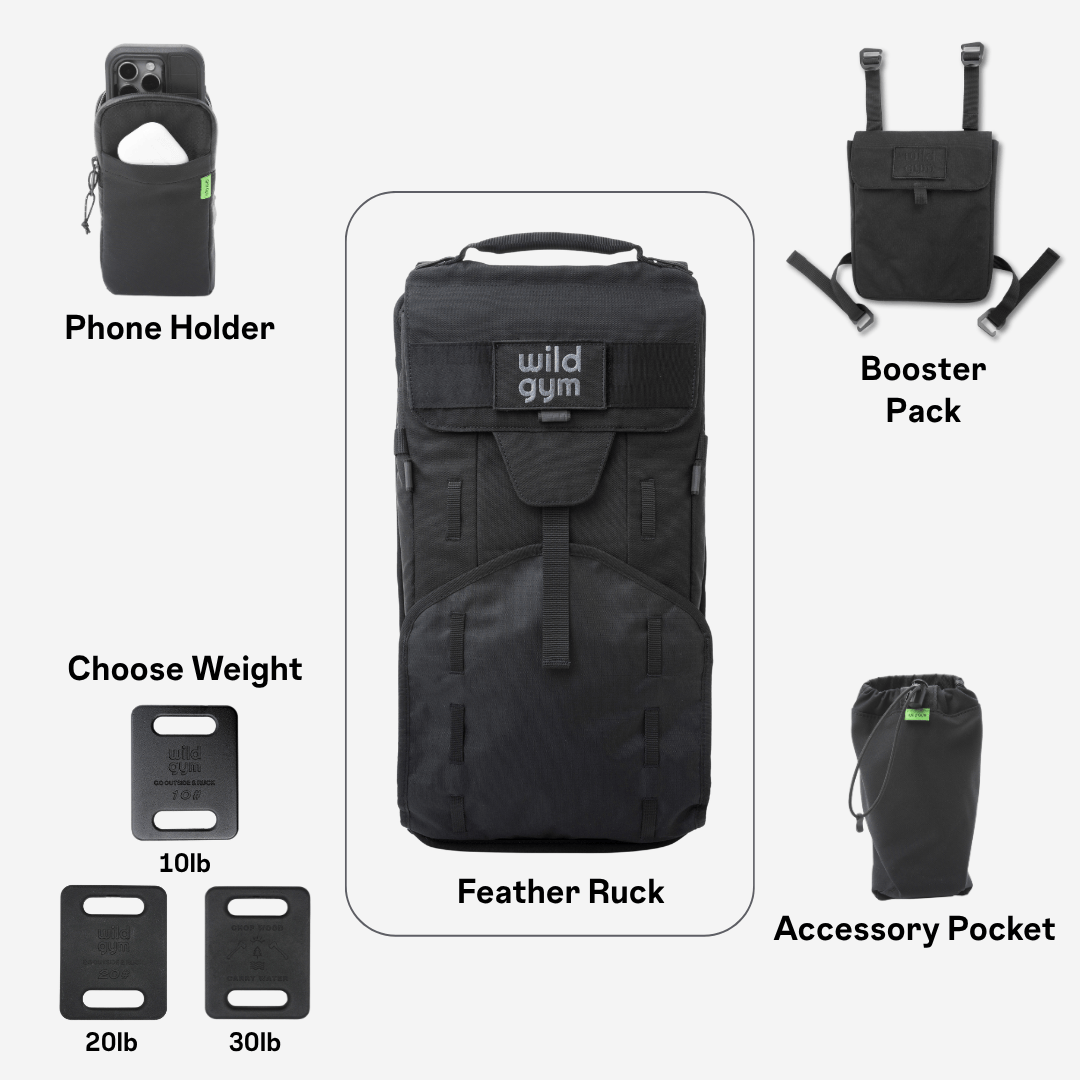
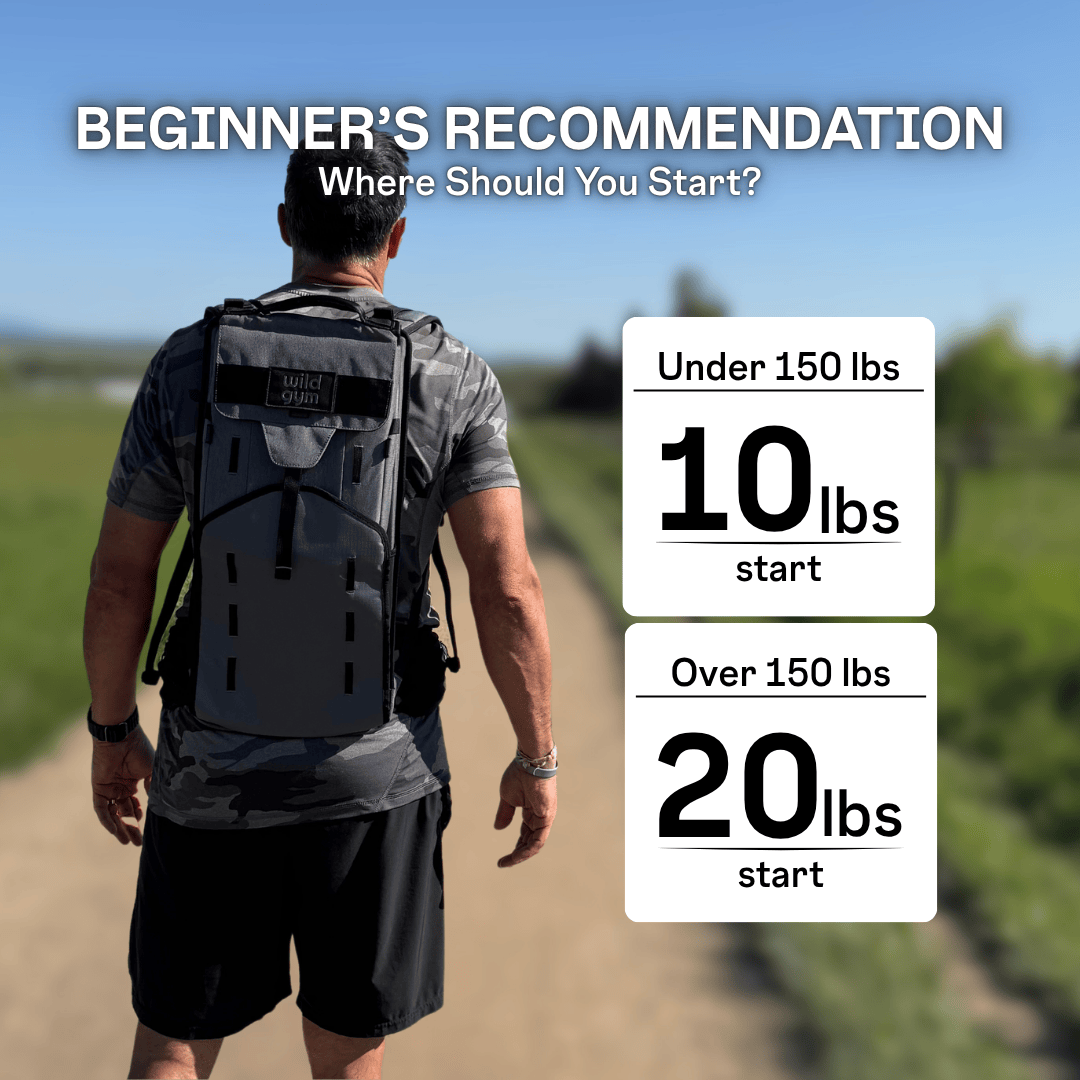
The best beginner Ruck is the one that lets you start light (10–20 lb), keeps the weight high and stable, and feels comfortable enough that you’ll actually Ruck 2–4x/week for the next 90 days. For most beginners, a purpose-built Rucking backpack with a dedicated plate pocket beats a normal backpack because it prevents sag and bounce. Wild Gym’s beginner guidance is simple: most people start with 10–20 lb; if you’re over 150 lb start at 20, and if you’re under 150 lb start at 10. The Wild Gym Feather Ruck is the best overall beginner Ruck because it’s built around standard plates and can scale as you get stronger. The Everyday Ruck is a great runner-up if you want more storage and heavier progression.
What “beginner Ruck” actually means
A beginner Ruck is not “the toughest pack.”
It’s a pack that makes these 3 things easy:
-
Proper loading (weight rides high, close, and stable)
-
Comfort (so you don’t quit from hotspots and neck/trap tension)
-
Progression (so you can level up without buying new gear)
Most people who say “Rucking hurt me” were really doing weighted walking with bad load carry:
-
Weight sitting low in a backpack
-
Weight shifting side-to-side
-
Straps digging in
-
Too heavy too soon
A legit beginner Ruck solves the mechanics, so the training can do its job.

Best pick + runner up
Best pick: Wild Gym Feather Ruck
Who it’s for
-
Most beginners (especially if you want comfort and a clean, non-tactical look)
-
Anyone building a 3–5x/week walking-with-weight habit
-
People who want to start light and scale up over time
Why it’s the best beginner Ruck
-
Designed for standard plate sizing: 9" x 12" x 1.5"
-
Can scale with add-ons (Booster Pack) so you don’t outgrow your pack quickly (up to 60 lb total stated on the Feather Ruck page)
-
Beginner-friendly: it’s a “system” not a hack.
Runner-up: Wild Gym Everyday Ruck
Who it’s for
-
Bigger loads, more storage, “one bag for life + training”
-
People who already walk/hike a lot and know they’ll want heavier progression
-
Anyone who wants dual plate pockets from day one
Why it’s a strong runner-up
-
Holds two 9" x 12" x 1.5" plates in dedicated pockets
-
22L (S/M) or 27L (L/XL) and a 150 lb max load capacity listed
-
Built for heavier carry and more gear.
Comparison table: specs + use cases
|
Option |
Best for |
Beginner load sweet spot |
Plate setup |
Storage |
What to know |
|
Feather Ruck |
Most beginners |
10–30 lb |
9" x 12" x 1.5" plates |
Enough for essentials |
Can scale with Booster Pack (up to 60 lb total stated) |
|
Everyday Ruck |
Heavier + more gear |
20–45 lb |
Two 9" x 12" x 1.5" plates |
More capacity |
22L/27L, 150 lb max load listed |
|
Normal backpack + random weights |
“Try it today” |
0–15 lb (usually) |
Unstable |
Varies |
Sag + bounce is common; hardest way to learn |
How to choose the best beginner Ruck
Use this checklist. If you hit these, you’re golden.
-
Dedicated plate pocket (or a way to keep weight from bouncing).
-
Weight rides high (not slumped at the bottom of the bag).
-
Comfortable straps that don’t turn into a neck workout.
-
Progression-friendly: you can add weight in small steps.
-
Fits your real-life use: water, phone, layers, dog gear, snacks.
-
Doesn’t make you look like you’re cosplaying the military (if that matters to you).
-
You’ll actually use it. The “best” Ruck is the one that gets worn.

Beginner weight + progression (this is the legit part)
Your pack matters, but your progression matters more.
Wild Gym’s recommended starting weight:
-
Most people: 10–20 lb
-
Over 150 lb: start with 20
-
Under 150 lb: start with 10
A good beginner plan:
-
2–3 Rucks/week at first
-
20–45 minutes
-
Increase one variable at a time (time OR hills OR weight)
When in doubt, start with 10–20 lbs and listen to your body.
FAQ
Use this text to share information about your product or shipping policies.
What weight should I start with as a beginner?
Start with 10–20 lb. Over 150 lb: start with 20. Under 150 lb: start with 10.
What makes a ruck “beginner-friendly”?
Stable weight (plate pocket), comfort, and the ability to progress gradually without the pack sagging or bouncing.
Can I just use my normal backpack to start?
You can, but it’s the most common reason people hate rucking early: weight sags low, shifts around, and beats up your shoulders.
Feather Ruck or Everyday Ruck for a true beginner?
If you want comfort and an easy habit: Feather.
If you want heavier progression and more storage: Everyday.
Do I need special ruck plates?
You don’t need them, but plates are the most stable and predictable way to train. Wild Gym packs are designed around 9" x 12" x 1.5" plates.
How often should beginners ruck?
Start 2–3x/week, “a few times per week,” and build as you adapt.
When should I increase weight?
After 2–3 weeks of pain-free rucking at your current weight and duration, add 5 lb (or add 10 minutes). Not both.
What are signs I’m going too heavy?
Posture collapsing forward, shoulder/neck tension that ramps, altered gait, sharp pain, numbness/tingling. Go lighter and fix stability.
Is a weighted vest a better beginner option?
Usually no. Vests often have progression and comfort friction (fit, heat, odor, and limited adjustability). A ruck system is typically more scalable.
What’s the simplest “first ruck” plan?
10–20 lb, 20–30 minutes, 2x/week, flat route, then build time first.
Featured collection