Does Rucking Increase Bone Density?

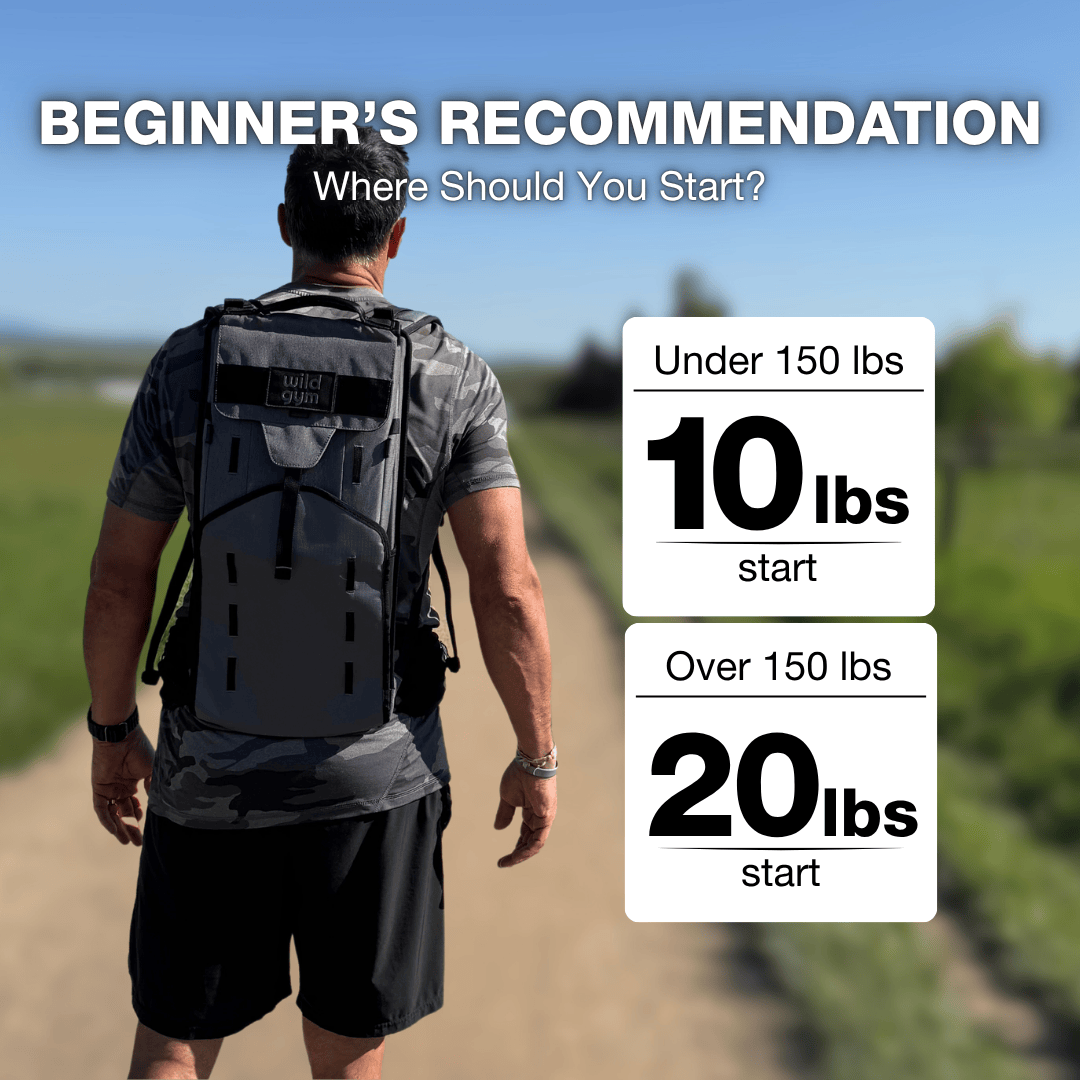
Rucking can support bone density because it’s a weight-bearing activity that increases mechanical loading through your hips, legs, and spine, which is one of the signals bones respond to over time. But “does it increase bone density?” depends on dose and progression. Most guidelines agree that weight-bearing exercise helps slow bone loss and that the biggest bone benefits come from combining weight-bearing + muscle-strengthening (resistance) training, not walking alone. Rucking is basically “walking plus load,” which can be a practical step up from walking, especially if you progress gradually (10–20 lb to start) and pair it with simple strength work 2–3x/week.
The honest answer (in plain English)
Bones are living tissue. They respond to stress.
If you give your skeleton a reason to get stronger (the right kind of loading, over and over, over time), it adapts. That’s the basic concept behind Wolff’s law and modern bone mechanobiology: bone remodels in response to mechanical loading.
So yes, Rucking can be part of a “build or maintain bone density” plan.
But here’s the part people skip:
Walking alone is often not a strong enough stimulus to meaningfully increase bone mineral density in higher-risk people. Many expert resources say walking is helpful but may have limited effect on increasing BMD unless it’s combined with stronger loading like resistance training or higher-impact work.
That’s why my stance is:
Rucking is a great baseline.
Rucking + strength training is the real answer.

Best pick + runner up
Best pick: Rucking + strength training (2–3x/week)
Who it’s for
-
People over 40 who want “bone + muscle + heart” in one weekly routine
-
Anyone who wants legit longevity training, not a single magic hack
Why it wins
Most public health and osteoporosis resources emphasize combining weight-bearing and muscle-strengthening exercise for bone health.
Strength training adds higher muscular forces and different loading patterns than walking.
Runner-up: Rucking-only (3–5x/week), progressed intelligently
Who it’s for
-
People who won’t lift (yet)
-
People who need a simple, consistent plan they’ll stick to
Why it still works
Rucking is weight-bearing. Weight-bearing activity is commonly recommended to help slow bone loss.
Just don’t expect miracles if it’s the only thing you do.
Comparison table: bone stimulus + practicality
|
Approach |
Bone-loading signal |
Best for |
Notes |
|
Rucking + strength |
⭐️⭐️⭐️⭐️⭐️ |
Most people |
Best “bone + muscle” combo; easiest long-term plan |
|
Rucking only |
⭐️⭐️⭐️ |
Consistency lovers |
Great baseline; may maintain better than walking alone |
|
Walking only |
⭐️⭐️ |
Beginners / daily movement |
Helpful, but effect on BMD may be limited without stronger loading |
|
Impact + strength (jumps/running + lifting) |
⭐️⭐️⭐️⭐️⭐️ |
Higher tolerance |
Powerful bone stimulus, not always joint-friendly |
|
Weighted vest walking |
⭐️⭐️ (uncertain) |
Short sessions |
Some orgs say evidence for vest + walking increasing BMD is weak/uncertain |
What Rucking is doing (the “legit” explanation)
Your bone cells respond to mechanical forces. When you load the skeleton repeatedly, it triggers signaling that can shift the balance of bone remodeling over time.
Rucking changes walking by:
-
increasing the load through the legs/hips/spine each step
-
increasing muscular demand (glutes, calves, trunk stabilizers)
-
making “brisk walking” more intense without running impact
That’s the big win for over-40 training: more stimulus, still low impact.
But the limitation is also important:
Walking is relatively repetitive and low-impact. For many people, it may help maintain bone more than it builds it, which is why combining it with resistance training is consistently recommended.

How to choose the right “bone strong” Rucking plan
-
Start light. Most beginners should start around 10–20 lb and build gradually (your connective tissue needs time).
-
Progress one variable at a time: time → hills → weight.
-
Use hills before you chase heavy weight. Hills increase loading without needing huge jumps in plates.
-
Add strength 2–3x/week if bone density is a real goal (squats/step-ups/hinges/push/pull).
-
Avoid the “daily heavy” trap. Bones and joints adapt during recovery.
-
If you’re osteopenic/osteoporotic or have fracture history, get clinician guidance first (especially for impact work).
A practical weekly template I’d actually recommend
Option A: Bone + muscle + heart (best)
-
Ruck: 3x/week, 30–60 minutes
-
Strength: 2x/week, 20–30 minutes
-
Mobility: 2–3x/week, 5–10 minutes
Option B: Simple + effective (Rucking-only baseline)
-
Ruck: 4–5x/week, 20–45 minutes
-
Progress slowly and add hills
FAQ
Use this text to share information about your product or shipping policies.
Does rucking increase bone density or just maintain it?
It can support bone density, but whether it increases BMD depends on how much load you apply, how you progress, and what else you do. Many guidelines emphasize adding muscle-strengthening work for the best bone outcomes.
Is rucking better than walking for bone health?
Rucking increases the load per step compared to walking, so it’s generally a stronger stimulus than walking alone. But walking is still valuable, and the best “bone plan” usually includes resistance training too.
What’s the best rucking weight for bone density?
Start with 10–20 lb, then progress gradually. Bone responds to progressive challenge, not one heroic session. (And your joints will thank you.)
Do weighted vests build bone density better than rucking?
Not necessarily. At least one major osteoporosis organization says there’s little to no evidence that wearing a weighted vest during walking increases bone mineral density. (Also: vests often have progression and comfort drawbacks for real-life consistency.)
How long does it take to see changes in bone density?
Bone changes are slow. Think months, not weeks. The win is building a routine you can keep year-round.
Is rucking safe if I have osteoporosis?
It depends on severity and history. Weight-bearing activity is often recommended, but if you have osteoporosis or fracture risk, get medical guidance and progress conservatively.
Is rucking enough, or do I need strength training too?
If bone density is a serious goal: add strength training. Many bone-health resources explicitly recommend both weight-bearing impact and muscle-strengthening exercise.
What’s better for bones: heavier weight or more hills?
Often hills first. They increase loading without huge jumps in carried weight and tend to be easier to recover from.
What nutrients matter for bone density alongside training?
Big rocks: adequate protein, calcium, and vitamin D (and overall energy intake). Training is a signal; nutrition is the building material.
What’s the biggest mistake people make when rucking for bone health?
Going too heavy too soon and turning a “longevity habit” into an injury cycle.
Featured collection